

Table of Contents
- The Science Behind the Flavor Gap: From Green Bean to Roasted
- Why Fresh Roasted Coffee Tastes Better: The Roast Date Matters
- The Coffee Degassing Process: Why Your Beans Need to Rest
- How to Tell If Coffee Is Fresh: Visual, Aromatic, and Flavor Clues
- How to Store Coffee Beans for Freshness and Extend Shelf Life
- How to Store Coffee Beans for Freshness: A Simple Guide
- The Peak Window: Why Brewing Method Variance Affects Freshness
- Taste the Difference: Roasted to Order, Delivered Fresh
- Frequently Asked Questions
Last Updated: September 7, 2026
The Science Behind the Flavor Gap: From Green Bean to Roasted
Coffee is a seed, not a bean, and it starts with almost none of the flavors you recognize. A green seed is dense, grassy, and faintly vegetal. The transformation happens in the roaster, where heat drives chemical reactions that create the aromatic compounds and volatile oils behind the flavor profile you love.
During roasting, sugars caramelize, acids shift, and over a thousand compounds form. Most are volatile and fragile. The moment beans leave the roaster, they begin losing the substances that make them taste vibrant and balanced.
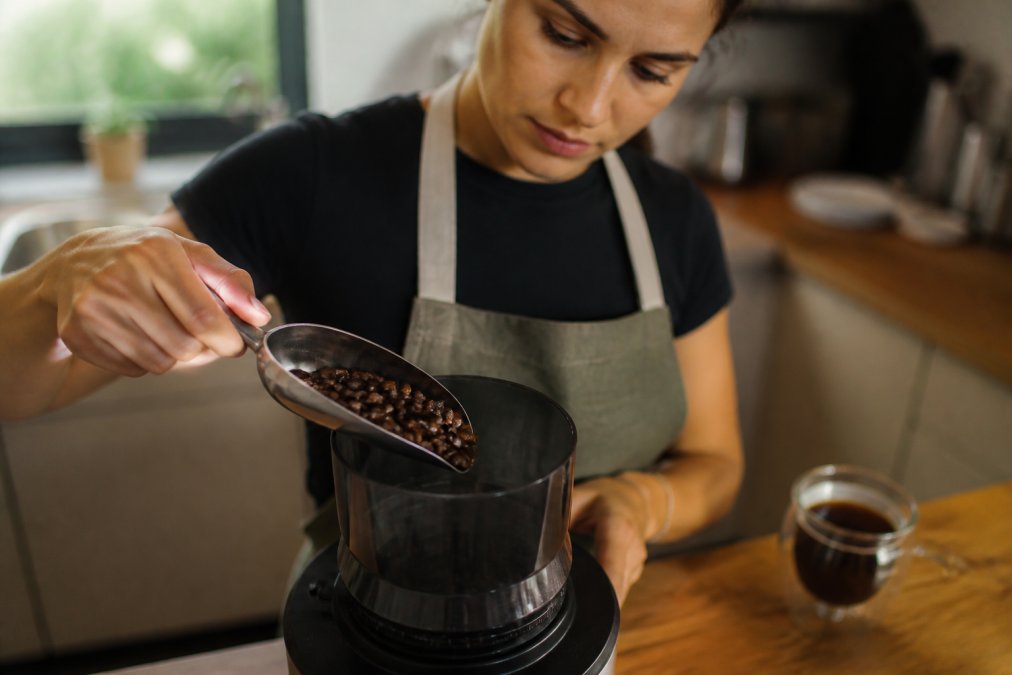
This is why fresh roasted coffee tastes better: it simply contains more of the volatile oils and gases that produce flavor and aroma. The difference between a bean roasted three days ago and one roasted three months ago is not subtle. It is the difference between a lively, sweet cup and a flat, cardboard-like one.
Why Fresh Roasted Coffee Tastes Better: The Roast Date Matters
Fresh roasted coffee tastes better because the roast date determines how much flavor remains intact. Most commercial coffee sits in warehouses and on store shelves for months. By the time you brew it, the aromatic compounds have largely dissipated, leaving a flavor profile that is dull, bitter, or flat.
Roast date is the single most reliable indicator of quality. The National Coffee Association's brewing guidelines emphasize that coffee should be consumed soon after roasting to capture the full sensory experience. When you buy coffee with a visible roast date, you control the freshness chain from the roaster to your cup.
A common mistake is confusing the "best by" date with the roast date. Best-by dates are arbitrary and often set years out. The roast date tells you exactly when the coffee was transformed. If a bag does not list one, assume the coffee is old.
The Coffee Degassing Process: Why Your Beans Need to Rest
Freshly roasted coffee is not immediately ready to brew. During roasting, beans trap carbon dioxide, up to 2 liters per kilogram, and release it for days after. This degassing process matters more than most home brewers realize.
CO2 is a byproduct of the Maillard reaction and caramelization. As the bean cools, some gas remains trapped in its cellular structure. Grinding ruptures cell walls, releasing that gas. Brewing too soon lets rapid CO2 release interfere with extraction, pushing water away from the grounds and preventing proper solubilization. The result is under-extraction: sour, uneven, and hollow flavors.
This is why roasters recommend a resting period. But the ideal rest is not a single number, it varies dramatically by brewing method because each method applies different pressure and contact time.
Espresso: The High-Pressure Exception
Espresso extraction operates at 9 bars of pressure, roughly 130 pounds per square inch. This high pressure forces water through a compacted puck of finely ground coffee. Residual CO2 in freshly roasted beans creates channeling, fissures in the puck where water rushes through without extracting properly. This produces a thin, sour shot with no crema. Most specialty espresso roasters therefore recommend a longer rest of 7 to 14 days post-roast. By day 10, the bean has degassed enough that the puck remains intact, allowing even extraction and a thick, golden crema.
Pour-Over and Drip: The Gravity Method
Pour-over and drip brewing operate at atmospheric pressure. Water flows through the coffee bed purely by gravity. The impact of CO2 is less about channeling and more about the bloom. When you pour hot water over fresh grounds, the CO2 escapes rapidly, causing the grounds to swell and bubble. This bloom is actually beneficial, it agitates the grounds and ensures even saturation. However, if the coffee is too fresh (under 3 days), the bloom can be so vigorous that it creates an uneven bed, leading to inconsistent extraction. Most baristas find that pour-over coffee peaks between 4 and 7 days post-roast, when degassing has slowed enough for a controlled bloom but volatile aromatics remain intact.
Cold Brew: The Forgiveness of Time
Cold brew uses extended steeping, typically 12 to 24 hours, at low temperatures. This long contact time makes it the most forgiving method for bean age. The slow extraction process is less sensitive to CO2 because the gas dissipates gradually throughout the steep. Cold brew can produce a palatable cup from beans that are 2 to 3 weeks old, though you will sacrifice some of the bright, floral notes that define a truly fresh bean.
This variance is why a single 'rest for 5 days' rule fails. A bean that peaks for espresso at day 12 may taste muted in a pour-over by day 8. Matching bean age to your brewing method is the difference between a great cup and a mediocre one.
How to Tell If Coffee Is Fresh: Visual, Aromatic, and Flavor Clues
You can assess freshness without a lab, but the most reliable indicators go beyond subjective taste. Objective measurements offer a more precise picture of where a bean sits on its freshness curve.
The Sensory Baseline
The first clue is the roast date on the bag. Once open, your senses take over. Freshly roasted coffee has a pronounced, sweet aroma; stale coffee smells flat, dusty, or like cardboard, a result of oxidation of volatile sulfur compounds and terpenes. Fresh beans have a matte surface for light roasts and an oilier sheen for darker roasts; dry, dull, chalky beans have likely oxidized. When you grind fresh coffee, it should bloom dramatically as trapped CO2 escapes. A weak or absent bloom is a reliable sign of staleness.
The Objective Measure: TDS and Extraction Yield
For a more precise assessment, measure freshness through extraction. Total Dissolved Solids (TDS) is the percentage of coffee solids in your cup, measured with a refractometer. A fresh bean (4-7 days post-roast) extracts efficiently, yielding a TDS of 1.15% to 1.35% for drip coffee, or an extraction yield of 18% to 22%. As beans age past 3 weeks, their cellular structure degrades and soluble compounds become harder to extract, dropping TDS below 1.15% even with the same grind and brew time.
The Degassing Timeline as a Freshness Clock
You can also use the bloom as a quantitative freshness test. A bean roasted 3 days ago produces a bloom that doubles in volume and lasts 30-45 seconds. By day 10, it is noticeably weaker, perhaps 50% of the initial volume. By day 21, minimal bubbling occurs. This is a direct measure of residual CO2, which correlates with volatile aromatics. When the bloom disappears, the coffee has lost most of its aromatic potential.
The Flavor Test, Quantified
Taste remains the final arbiter, but you can make it more objective. Fresh coffee should exhibit clean, sweet acidity, a bright, crisp sensation on the tip of your tongue. Stale coffee tastes hollow, bitter, or papery. If you cannot identify at least one distinct tasting note (citrus, berry, chocolate, nut), the bean is likely past its prime. Specialty roasters cup coffee at 3, 7, 14, and 21 days post-roast to track this curve. Vibrant, high-toned notes (floral, fruity) fade first, while heavier notes (chocolate, caramel) persist longer. A 3-week-old bean may still taste 'fine', but it will lack the complexity and clarity of a properly rested fresh bean.
Combining sensory cues with these measurable indicators lets you pinpoint where your beans sit on the freshness curve, and adjust your brewing method or purchasing schedule accordingly.
How to Store Coffee Beans for Freshness and Extend Shelf Life
Fresh roasted coffee is perishable. The four enemies are oxygen, light, heat, and moisture. Oxygen is the primary culprit: it triggers oxidation, degrading the volatile oils that carry flavor. Exposure to air begins the clock on staleness immediately after roasting.
The best storage method is an airtight, opaque container at room temperature. Do not refrigerate or freeze beans you use daily, condensation introduces moisture, and coffee absorbs surrounding odors. Store only the amount you will use within a week or two in your daily container.
Buying whole beans and grinding just before brewing extends shelf life significantly. Ground coffee has far more surface area exposed to oxygen, accelerating flavor loss. Whole beans stored properly stay fresh for weeks; pre-ground coffee can go stale in days.
How to Store Coffee Beans for Freshness: A Simple Guide
The practical routine is simpler than most guides suggest. Keep your daily coffee in an opaque, airtight container on the counter, away from sunlight and your stove. Buy whole beans and grind only what you need for each brew.
Here is a straightforward storage checklist:
- Store beans in an airtight, opaque container at room temperature
- Keep the container away from heat sources and direct sunlight
- Buy whole beans and grind immediately before brewing
- Use beans within 2 to 4 weeks of the roast date for best flavor
- Freeze surplus beans in sealed portions only if you buy in bulk
Shelf life depends heavily on roast level. Darker roasts go stale faster because roasting creates more surface oils and a more porous structure. Lighter roasts retain freshness longer due to their denser structure. Plan your purchasing around your consumption rate.
The Peak Window: Why Brewing Method Variance Affects Freshness
The freshness window is not one-size-fits-all. Different brewing methods interact with coffee gases and solubility in distinct ways, changing when a bean reaches its peak. Understanding this variance lets you time your coffee consumption for the best possible cup.
Espresso demands the longest rest. The high pressure of an espresso machine amplifies the effects of residual CO2, so beans typically peak between 7 and 14 days after roasting. Pour-over and drip coffee peak earlier, around 4 to 7 days, as the lower pressure and longer contact time are more forgiving of gas. Cold brew, which uses extended steeping, is the most forgiving of all and can use slightly older beans.
As beans age, they lose the bright, vibrant acidity that defines a lively cup. The body becomes heavier and the finish shorter. A bean that peaks for espresso at day 10 may taste muted in a pour-over by day 12. Matching bean age to your brewing method maximizes the sensory experience.
| Brewing Method | Optimal Rest Period | Peak Freshness Window | Primary Freshness Factor |
|---|---|---|---|
| Espresso | 7-14 days | Longer rest needed | CO2 pressure sensitivity |
| Pour-over / Drip | 4-7 days | Moderate rest | Balanced degassing and flavor |
| Cold Brew | 3-10 days | Forgiving of age | Extended extraction time |
| French Press | 4-8 days | Moderate rest | Immersion extraction |
Taste the Difference: Roasted to Order, Delivered Fresh
The gap between mass-market coffee and fresh roasted coffee is not a marketing distinction. It is a measurable difference in volatile compounds. Coffee roasted months ago and shipped through a distribution network has lost most of what makes it enjoyable; coffee roasted days ago retains that complexity.
At Battle Ready Coffee, every order is roasted only after it is placed, ensuring peak freshness delivered directly to your door. This roast-to-order model means the coffee you receive is still in its degassing window, ready to brew at its optimal flavor, not sitting in a warehouse or on a shelf for weeks.
The Specialty Coffee Association's freshness research confirms that volatile compounds degrade continuously after roasting, reinforcing why roast date matters for home brewers. When you buy from a roaster that prioritizes freshness, you eliminate the guesswork about storage and age.
For busy professionals who need a reliable morning cup, fresh roasted coffee delivers more caffeine impact and a richer flavor experience per cup. Whether you prefer whole beans for a pour-over or single-serve capsules for convenience, the freshness principle holds: coffee tastes better when it is recently roasted and properly stored.
The bottom line is simple. Fresh roasted coffee tastes better because it contains the aromatic compounds and volatile oils that create a complex, balanced, vibrant cup. Those compounds degrade with time and oxygen exposure. By choosing coffee with a visible roast date, storing it properly, and brewing within the optimal window for your method, you will taste a difference no amount of dark roasting can fake. Get started with Battle Ready Coffee and taste coffee as it was meant to be.
Frequently Asked Questions
Why is fresh roasted coffee better than pre-ground supermarket coffee?
Fresh roasted coffee tastes better because it hasn't had time to go stale. After roasting, beans release carbon dioxide for days, a process called degassing. Once that gas escapes and oxygen gets in, oxidation degrades the delicate aromatic compounds and volatile oils that create flavor. Supermarket coffee can sit on shelves for months, losing its vibrant acidity, sweetness, and complex flavor profile. Coffee roasted to order and brewed within weeks delivers the full sensory experience, from aroma to finish.
How long should you wait to drink freshly roasted coffee?
You should wait at least 3 to 7 days after the roast date before brewing. This is part of the coffee degassing process. Freshly roasted beans release a large amount of carbon dioxide immediately after roasting. If you brew too early, the CO2 interferes with extraction, leading to a flat, underdeveloped cup. The ideal window for peak flavor is generally between 5 and 21 days after roasting, depending on the roast level and your brewing method.
How can you tell if coffee beans are truly fresh?
The most reliable way to tell if coffee is fresh is to check the roast date on the bag, not the 'best by' date. Look for beans roasted within the last 2 to 4 weeks. Fresh beans will also have a strong, sweet aroma and a matte, oily surface (for darker roasts). When you pour hot water over fresh grounds, they should 'bloom' vigorously, bubbling up as trapped CO2 escapes. If there is little to no bloom, the beans are likely stale.
Does the freshness of coffee beans affect the caffeine content?
No, the caffeine content of coffee beans does not degrade with age. Caffeine is a stable compound. The primary difference between fresh and stale coffee is the flavor and aroma. The volatile oils and aromatic compounds that create tasting notes like chocolate, fruit, or nuts break down over time due to oxidation. While you will still get your caffeine kick from older beans, the sensory experience will be muted, flat, and potentially bitter or cardboard-like.